
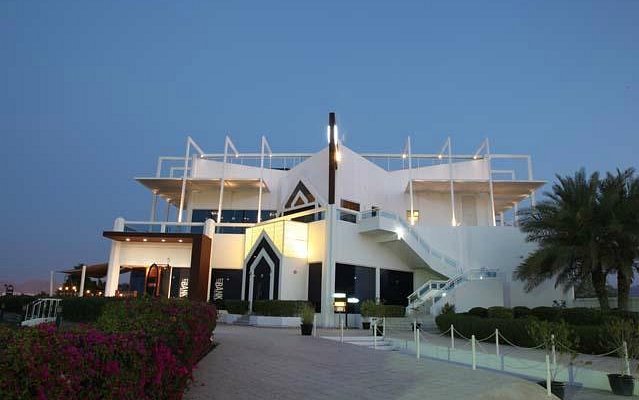

MUSCAT – Perched majestically on a hilltop overlooking the lush Qurum Natural Park and the distant shimmer of the Gulf of Oman, Mumtaz Mahal has long been the gold standard for North Indian fine dining in the Sultanate. Since its doors opened in 1984, this restaurant has not just served meals; it has curated an imperial experience that lives up to its name, which translates to "The Chosen One of the Palace."
The architectural appeal of Mumtaz Mahal lies in its elevated position. As guests ascend the winding road toward the entrance, the bustle of Muscat’s city center fades, replaced by a panoramic view that is arguably the best in the capital. The interior reflects the opulence of the Mughal era, featuring heavy crimson drapes, ornate woodwork, and warm, amber lighting that creates an atmosphere of timeless sophistication.
The Art of the Tandoor
While the views are breathtaking, the soul of Mumtaz Mahal remains firmly in its kitchens. The restaurant specializes in Mughlai cuisine—the rich, aromatic, and spice-laden tradition of the imperial Persian-Indian courts. The chefs here are masters of the Tandoor (clay oven), and the scent of charred meats and fresh naan wafts through the dining room, teasing the palate before the first course even arrives.
The signature dish, and a perennial favorite among locals, is the Murgh Makhani (Butter Chicken). Unlike the overly sweet versions found in many international chains, the version here is a balanced masterpiece of smoky tandoori chicken simmered in a velvet-smooth tomato and cream gravy, enriched with a hint of dried fenugreek.
A Symphony of Spices
For those seeking the true depth of North Indian flavors, the Dal Maharani is an essential order. This black lentil stew is slow-cooked for hours over a low flame, resulting in a creamy, earthy texture that pairs perfectly with the restaurant's famous Garlic Naan or the flaky, butter-layered Pudina Paratha.
Meat lovers often gravitate toward the Raan-e-Mumtaz, a whole leg of lamb marinated overnight in a secret blend of spices and rum, then slow-roasted until it reaches a state of succulent perfection. For seafood enthusiasts, the Jhinga Nisha—jumbo prawns marinated in cheese and yogurt with a touch of ajwain (carom seeds)—offers a delicate yet complex alternative to the heartier meat dishes.
The Magic of the Terrace
While the indoor dining room offers a regal setting, the outdoor terrace is the restaurant's true piece de resistance. During the cooler months from October to April, dining under the stars with the lights of Qurum glowing below is a quintessential Muscat experience. The terrace is frequently serenaded by live classical Indian music, with the tabla and sitar providing a rhythmic backdrop to the clinking of fine china.
Verdict: A Heritage Landmark
Mumtaz Mahal is more than a restaurant; it is a landmark of Muscat’s social fabric. It is the place where families celebrate milestones and where diplomats host grand banquets. By staying true to the laborious techniques of traditional Indian cooking while maintaining a level of service that borders on the royal, it remains a "must-visit" for anyone seeking a high-altitude culinary escape.