
Eid al-Fitr in the Sultanate of Oman: A Celebration of Faith and Heritage
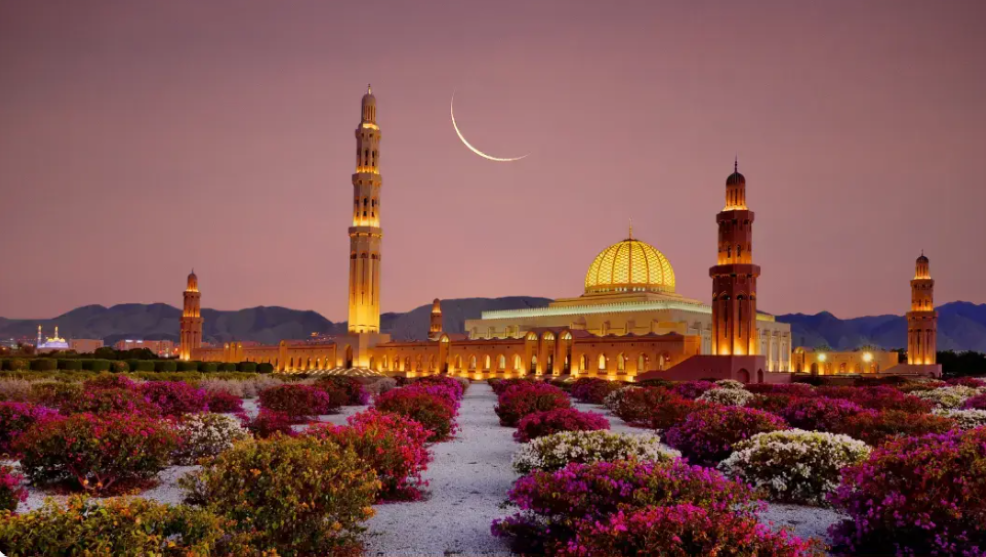
Eid al-Fitr, the "Festival of Breaking the Fast," is a time of profound spiritual significance and vibrant cultural expression in the Sultanate of Oman. As the moon marks the end of Ramadan, the country transforms into a landscape of hospitality, traditional finery, and deep-rooted customs that have been preserved for generations.
The Morning of Eid: Prayer and Preparation
The festivities begin at dawn. Omani men, dressed in their finest Dishdashas (long tunics), often paired with a hand-woven Mussar (turban) and the iconic Khanjar (ceremonial dagger), head to the Musalla—large open-air grounds specifically designated for Eid prayers.
The atmosphere is filled with the rhythmic chanting of Takbeerat, a communal glorification of God. Following the prayer, neighbors exchange the traditional greeting: "Eid Mubarak" or "Asakum min uwaadah" (May you live to see this day again).
The Culinary Heart: Shuwa and Arsia
In Oman, Eid is synonymous with a unique and laborious culinary tradition known as Shuwa. This involves slow-cooked marinated meat—usually goat or cow—wrapped in banana or palm leaves and placed inside a communal underground sand oven. The meat is left to cook for 24 to 48 hours, resulting in an incredibly tender, smoky delicacy shared on the second or third day of Eid.
On the first morning, many families enjoy Arsia, a savory dish made of mashed rice and meat, providing the energy needed for a day of social visits. This is almost always accompanied by Omani Halwa, a sweet, gelatinous treat flavored with saffron and rosewater, served alongside bitter Omani Kahwa (coffee).
Al Ayala and Traditional Arts
Community spirit is often expressed through folk dances and music. In many regions, the Al Razha or Al Ayala dances are performed. Men gather in rows, chanting poetry and brandishing swords or bamboo canes in a rhythmic display of strength and unity. These performances are a proud reminder of Oman's tribal history and maritime heritage.
Habta Markets and the Spirit of Giving
A few days before Eid, the Habta markets—traditional seasonal auctions—take place. These markets are a sensory explosion where locals buy livestock for the feast, high-quality dates, and traditional clothing. It is also the time when children look forward to receiving Eidiya, small sums of money given by elders to celebrate the occasion.
Beyond the feasting, the spirit of charity remains central. Before the Eid prayer, every head of the household ensures that Zakat al-Fitr (a mandatory charitable donation) is distributed to those in need, ensuring that the entire community can celebrate the holiday without hardship.
Oman’s Eid celebrations are a beautiful blend of religious devotion and a fierce pride in national identity. It is a time when the modern pace of life slows down to honor the timeless values of family, generosity, and community.